




About
Bolivar Flats, a serene coastal area on the Bolivar Peninsula near the mouth of Galveston Bay in Texas, offers a unique blend of natural beauty and historical richness.
Archaeological discoveries, notably at Caplen Mound, provide evidence of the early presence of native peoples in the region, indicating a deep-rooted connection to the land and its resources.
The flats are near other remarkable landmarks like Point Bolivar Lighthouse and Fort Travis Park. This proximity makes visiting multiple outdoor activities easy to schedule.
In 1819, James Long established his operations in the area that would later become Port Bolivar. By 1838, Samuel D. Parr surveyed the land which the Republic of Texas granted him and initially named Parrsville.
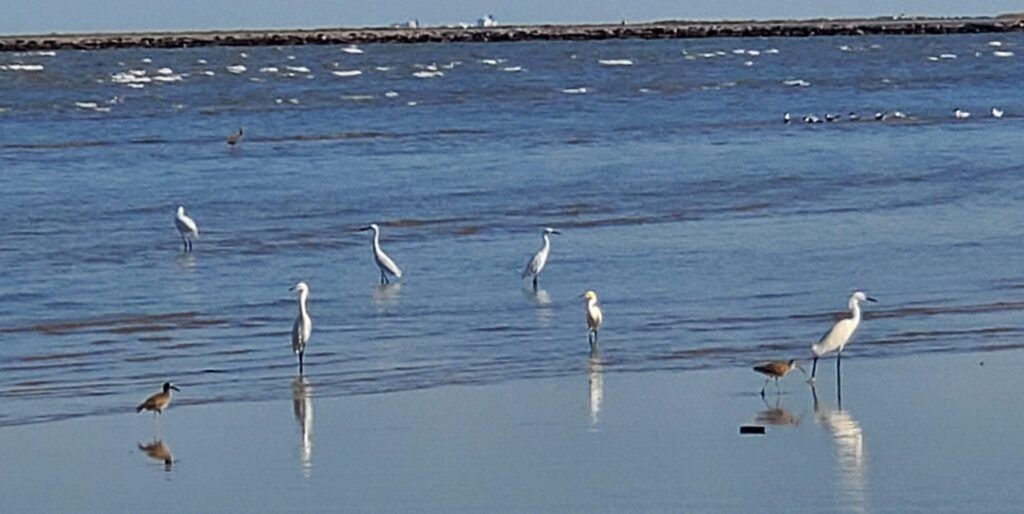
Bolivar Flats is a globally recognized bird area. It is part of the Western Hemisphere Shorebird Reserve Network (WHSRN), highlighting its international importance for bird conservation.
The Bolivar Flats Audubon Sanctuary manages this site and has played a pivotal role in maintaining its ecological integrity since 1992 when it was designated a WHSRN Site of International Importance.
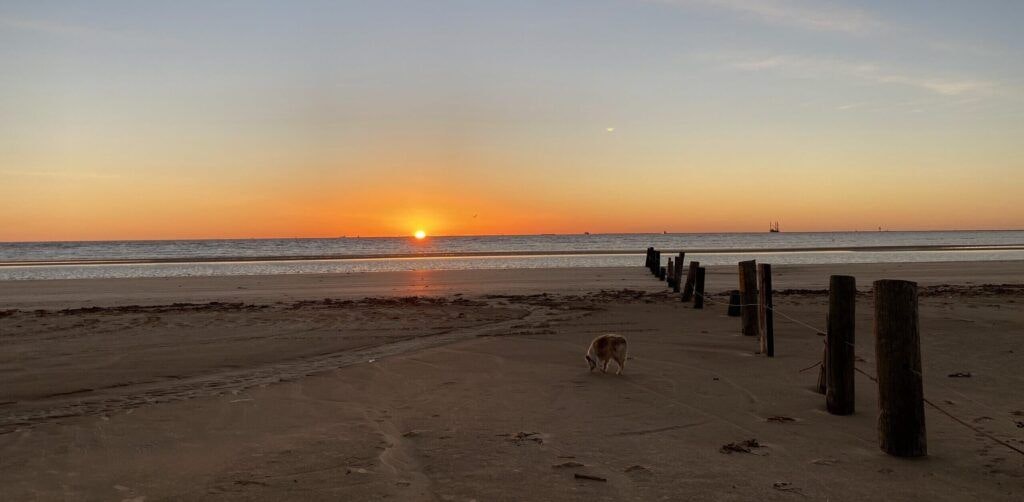
Visitors can explore its beaches, observe the rich birdlife, and immerse themselves in the serene beauty of the Gulf Coast. This area, once traversed by native peoples and later shaped by historical events, continues to be a vital part of Texas' natural and cultural landscape.
Bolivar Flats: Fun Facts & Cool Features
During the colder months, Bolivar Flats becomes a bustling hub for bird migration. An astounding 35,000 shorebirds flock to this sanctuary, offering a spectacular sight for birdwatchers.
Among these visiting birds, the American Avocet stands out for its significant numbers. Most winters, the flats host around 5,000 birds, highlighting the Bolivar Peninsula's importance as a bird habitat.
The foreshore of Bolivar Flats is notable for its lack of vegetation due to the intense wave energy. However, this bareness is crucial for shorebirds as a necessary feeding and roosting area. Behind this area, low, rounded dunes stabilized by vegetation, including Bitter Panicum and Camphor Daisy, provide a contrasting landscape.
The flats has implemented specific regulations to safeguard the nesting and roosting birds, many of which live on the ground. These include a vehicular barrier to prevent the compaction of sand and damage to ground-dwelling wildlife.
Additionally, visitors should maintain a respectful distance from wildlife and avoid walking in vegetated dunes and marshes containing hidden nests and venomous snakes.
With so many restaurants nearby, like Jose's Cantina, it's easy to feed the troops afterward, making a visit to Bolivar Flats worthwhile.
Getting There
Here's a step-by-step guide on how to get there:
- Start your journey on I-45 South into Galveston.
- In town, I-45 turns into Broadway. Follow Broadway to Seawall Boulevard.
- Turn left on Seawall Boulevard and continue onto Ferry Road to get onto the Galveston - Port Bolivar Ferry.
- After the ferry ride, continue onto TX-87.
- Drive approximately 3.7 miles down TX-87, then turn right to reach Bolivar Flats.
- At the beach, turn right and drive along the beachfront until you reach the vehicular barricade.
- This is the designated parking area for visitors to Bolivar Flats.
Local Tips
- Protect yourself from the sun and insects, especially during warmer months.
- Ensure you follow local parking and beach access regulations to preserve the sanctuary's delicate ecosystem.
- All vehicles planning to park on Bolivar beaches, including the area near the sanctuary, must have a parking sticker.
- Depending on your interest in birdwatching and nature walks, you can spend anywhere from a few hours to a full day exploring and enjoying the area.