




About
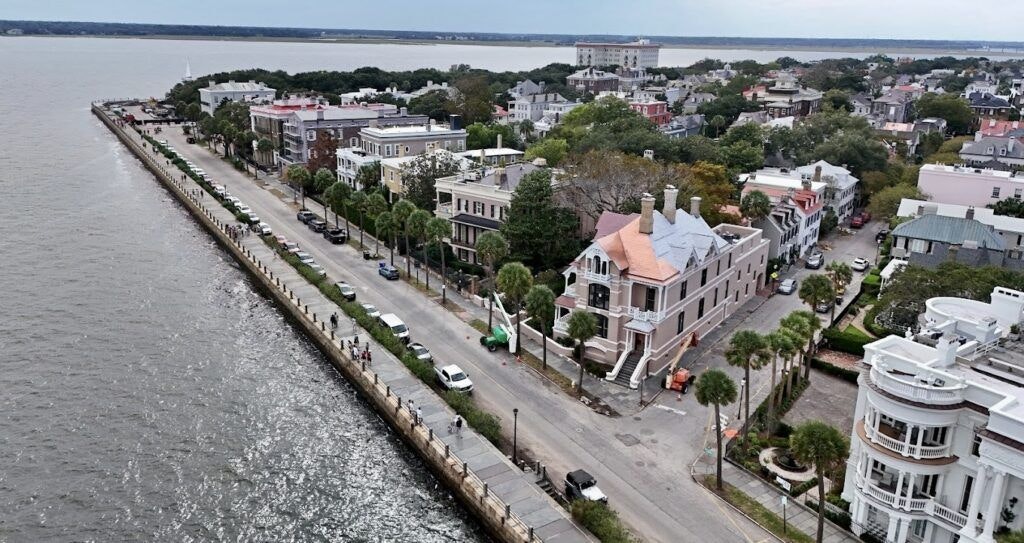
At the tip of Charleston, where the Ashley and Cooper rivers converge, is The Battery. Its strategic location made it a perfect spot to guard the city, a task it has handled since colonial times.
Charleston started protecting this part of the city in the 1670s. While the first defenses were basic, they guarded the port town from pirates or rival European powers. Over time, what began as earthworks and barriers grew into the solid seawall you can see and walk on today.
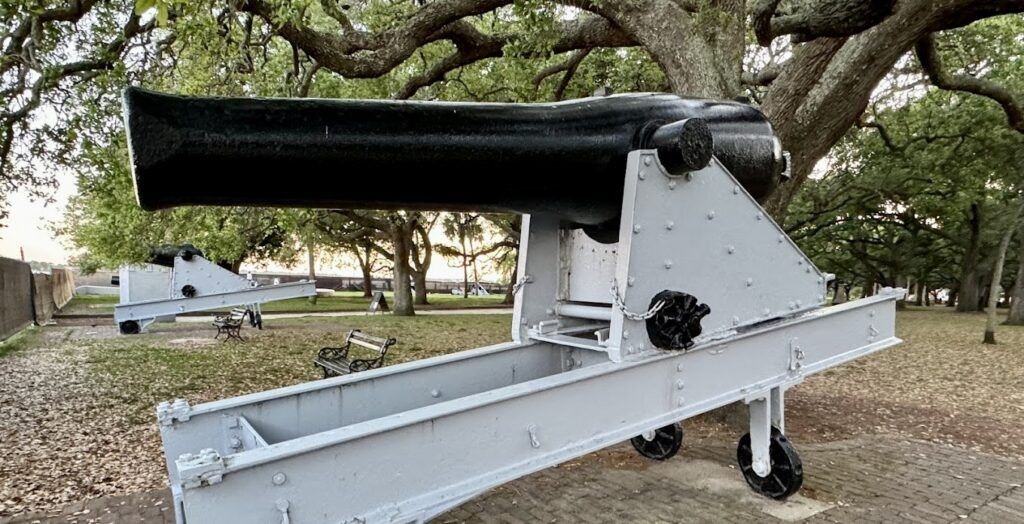
During the Civil War, it played a pivotal part in naval conflicts and in defending against the Federal Navy's blockade. You'll find cannons and mortars along this area to commemorate the bloody years of the War Between the States.
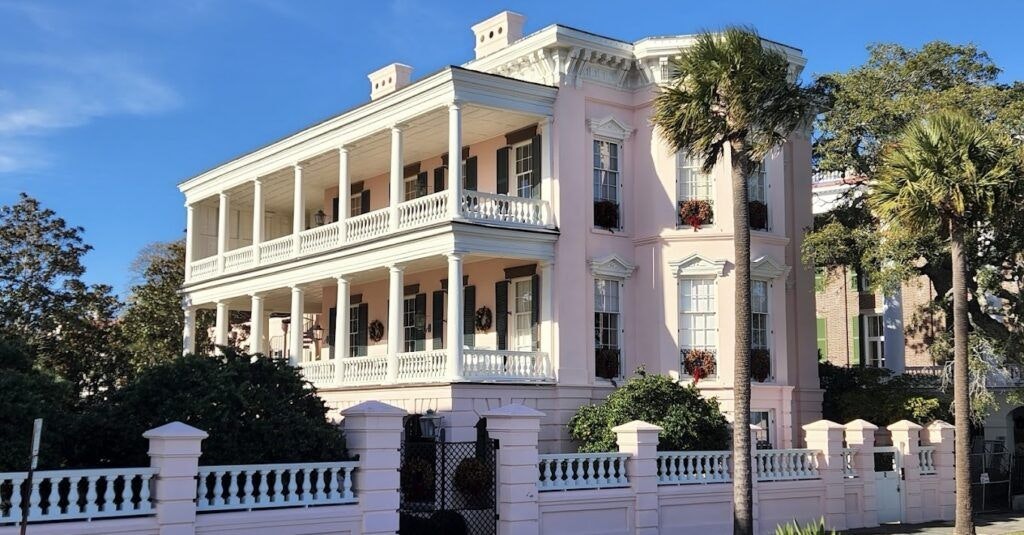
The antebellum period saw most of the current structure take shape, with finishing touches added just after the Civil War. As the city grew, The Battery evolved from a place of protection to a community and leisure hub. The grand houses facing stand out for their architecture and stories and are a short walk from each other. Each one showcases the city's wealth and design over the centuries. Porches and gardens offer calm spots and make for some of Charleston's most iconic photos.
A visit to The Battery means enjoying open-air views and a deep sense of history. The area is a favorite for quiet walks, memorable photos, and relaxing moments by the water.
The Battery: Fun Facts & Cool Features
One feature to take in is the public White Point Garden that hugs the waterfront promenade. Sprawling oaks offer a canopy of green over the pebbled walkways, where Civil War cannons and monuments tell the story of Charleston's role in those dramatic years. They mark The Battery's part in the first shots fired at Fort Sumter, which sparked the Civil War.
Monuments here honor key moments and legendary figures from across South Carolina's past. The Confederate Defenders of Charleston is a local tribute to those who fought in the Civil War, while the marker for pirate Stede Bonnet and his crew offers history and content to their fate in 1718. Also noteworthy is theVictorian bandstand whose classic style serves as a backdrop for photos and local performances.
Next up are the homes in this historic district that reflects the Federal and Greek Revival designs and hints at Charleston's days of prosperity before the Civil War. Examples include the Ravenel House and the Magwood-Moreland House, among others. Some homes, like the Nathaniel Russell House Museum, offer tours, adding another layer of discovery.
With wide porches called piazzas and a design focused on catching cool breezes, you'll spot details from every significant era of the city's life, from colonial times to modern day.
The Battery's location puts it close to other noteworthy attractions and restaurants, making it easy to plan a vacation itinerary. For example, after visiting the waterfront, head to the Charleston City Market and explore the galleries, shops, and eateries. When you're ready for a delicious meal, Magnolias is only a few blocks north. For fresh oysters and waterfront dining, you can't go wrong with a reservation at Fleet Landing Restaurant & Bar. Like Magnolias, it is also only a few blocks north.
The Battery combines the wonders of a scenic garden with American history and breathtaking homes, letting you connect with the heart of Charleston.
Local Tips
- Metered parking is along South Battery and Murray Boulevard, but fills up fast.
- Bring a camera for the views of Fort Sumter, Sullivan's Island, and the Ravenel Bridge.
- White Point Garden is ideal for a picnic.
- Guided walking tours of the homes and monuments add insight.