



About
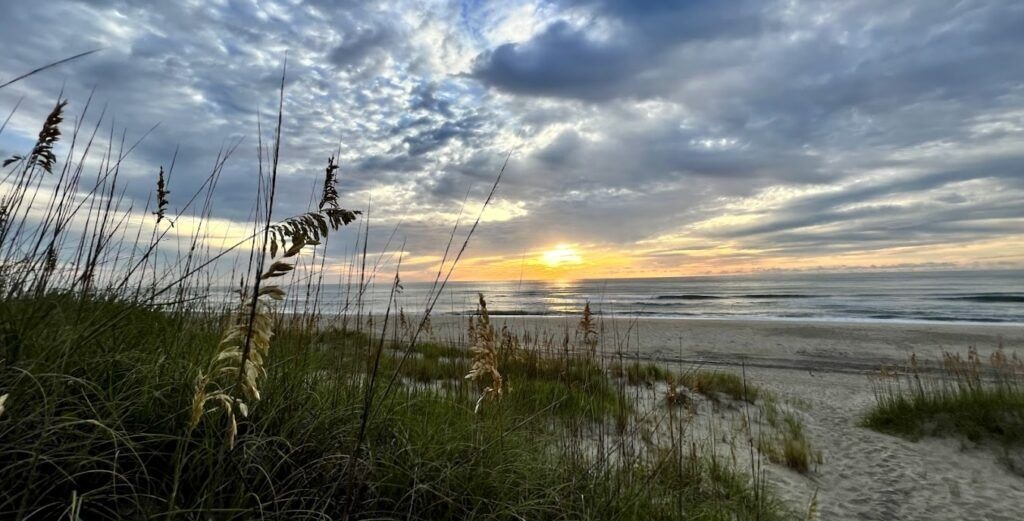
In 1937, the United States government designated part of the Atlantic coastline as the country's first national seashore. The result is the breathtaking Cape Hatteras National Seashore, where the wind, ocean, and shifting sands continually shape the landscape.
The park spans over 70 miles and encompasses portions of Bodie Island, Hatteras Island, and Ocracoke Island. Its founding marked a turning point in conservation, where shoreline, sea turtles, seals, and even coyotes enjoy protection.
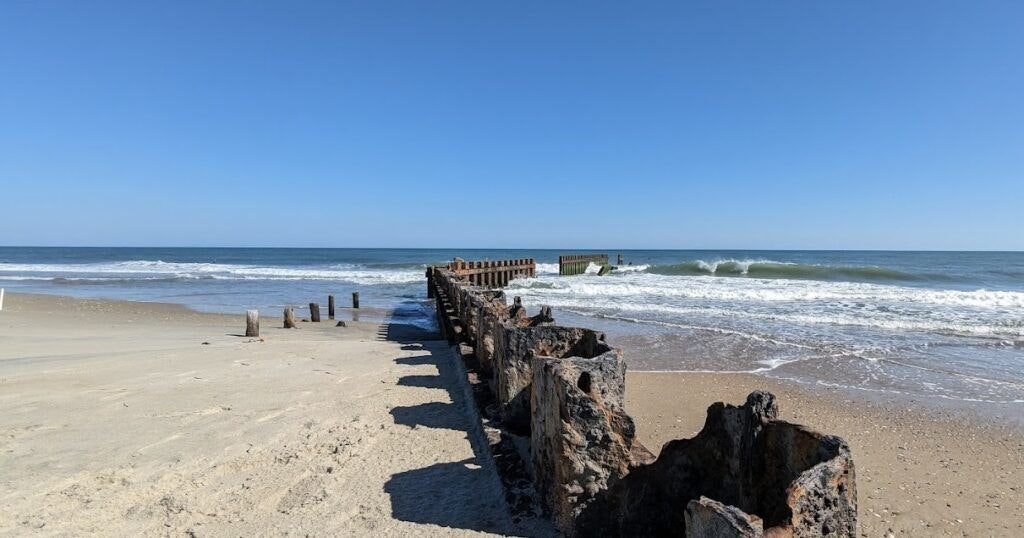
Long before it was a National Park, the barrier islands were home to fishing villages. Sailors soon learned how treacherous the waters were due to the offshore sandbars. These mile-long shoals claimed many sailing vessels, earning the name the Graveyard of the Atlantic.
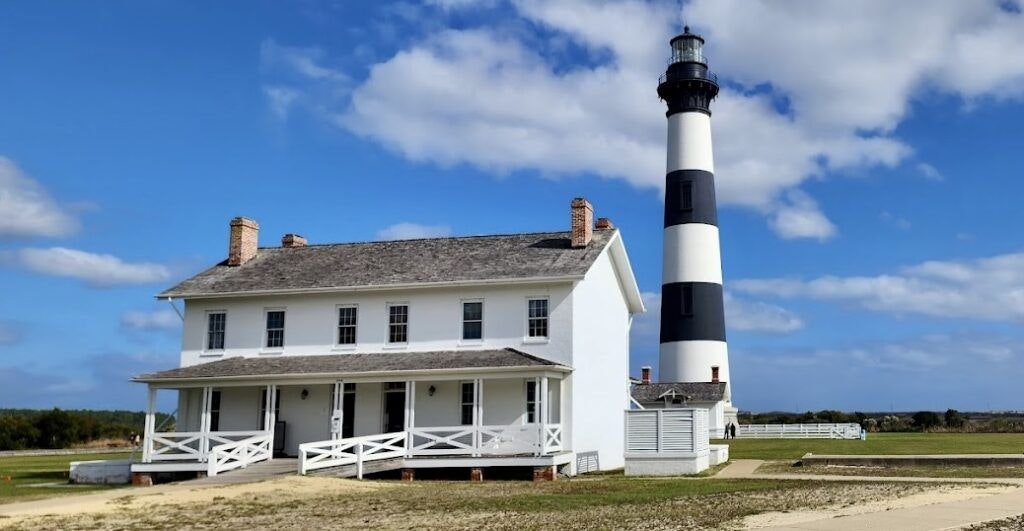
Cape Hatteras Lighthouse was built in 1803 to warn ships of these hazards. The station is one of the many attractions at this park.
The development of Cape Hatteras National Seashore took shape in the 1950s. The Civilian Conservation Corps worked to stabilize dunes and planted grasses to help hold the islands in place. By 1953, it was open to the public. Nature lovers can now hike through maritime forests, spot wildlife in salt marshes, or walk long stretches of untouched sand.
Visiting Cape Hatteras National Seashore is an essential part of any North Carolina getaway.
Cape Hatteras National Seashore: Fun Facts & Cool Features
One of the park's popular attractions is the Cape Hatteras Lighthouse. The black and white barber shop style tower is an unmistakable sight. After climbing 257 steps, visitors will have panoramic views of the ocean and the island.
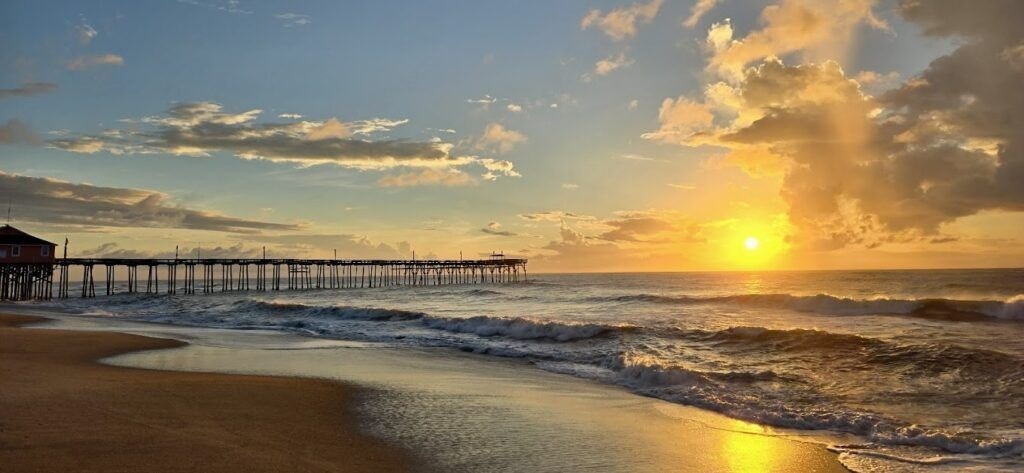
The sandy shoreline attracts sunbathers and swimmers, especially at the designated lifeguard stations. Remember, the Atlantic can be dangerous, so check the NOAA Rip Current Hazard Forecast to ensure a safe time in the water.
Nature lovers will marvel at the diverse wildlife on the cape. The sands are a vital nesting area for loggerhead, green, and leatherback sea turtles. In summer months, turtles haul themselves onto the sand at night to lay eggs.
During winter, seals come ashore to sun on the beach. As tempting as it may be to get close, stay at least 50 yards away, and don't let your pet near. If you see a stranded dolphin or whale, please report it to the Cape Hatteras Stranding Hotline at 252-216-6892.
Birdwatchers won't be disappointed either. The area sits along the Atlantic Flyway, attracting hundreds of migratory bird species each year. Whether you watch for sandpipers along the shore or spy ospreys overhead, there's always something to spot.
While not at the park, the Graveyard of the Atlantic Museum is nearby and worth exploring. Here, you'll have a first-hand experience examining artifacts and learning about the countless shipwrecks off the coast.
Additional options at Cape Hatteras National Seashore include fishing, driving on the beach, and camping. These features add up to an unforgettable Outerbanks vacation!
Local Tips
- Purchase lighthouse tickets online in advance; they sell out quickly.
- Bring bug spray if you explore areas away from the windy beach.
- Visit the beaches early in the morning or late in the afternoon to avoid crowds.
- Swim only at lifeguarded beaches.
- Use the free Hatteras-Ocracoke ferry to explore the southern end of the seashore.
- Pack plenty of water and snacks.