
Museo Nacional de Antropologia

Av. Paseo de la Reforma y Calzada Gandhi s/n Col. Chapultepec Polanco. Del. Miguel Hidalgo. C.P. 11560, México, Ciudad de México.

Hours

Open Tuesday to Sunday 9 a.m. - 6 p.m.

Closed Monday

Cost

Costs to visit the Museo Nacional de Antropologia in Mexico City include general admission for the public, as well as student/student/nationals offers.

  • General admission 100 pesos
  • Free Sunday entry for Mexican citizens with ID and foreigners residing Mexico with temporary or permanent resident ID

Prices are subject to change; check their website for updates.

About

The Museo Nacional de Antropologia is a must for history buffs or those visiting Mexico who are looking for enriching indoor exhibits.

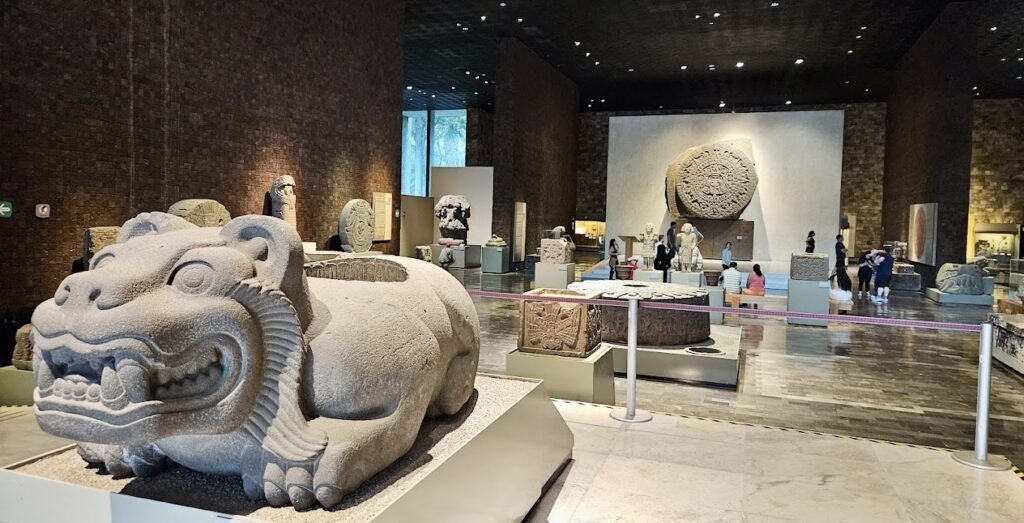
The National Museum of Archaeology is considered one of the world's best, adding yet another reason to visit. Here, an immersive world awaits, filled with displays of the heritage, traditions, and innovations of Mexico's pre-Columbian civilizations.

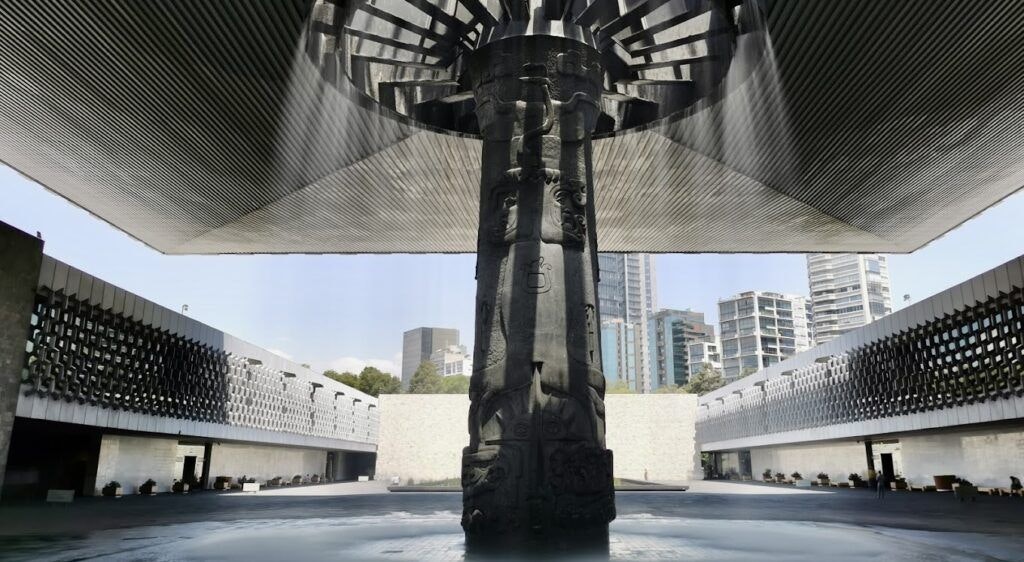
The sprawling facility is a marvel worth seeing firsthand. Renowned architect Pedro Ramírez Vázquez was designed it 1964, incorporating modernism with indigenous influences.

Inside, you'll have the opportunity to explore over 23 exhibition halls filled with artifacts from the Mayan, Aztec, and Olmec civilizations.

One highlight to appreciate is the Aztec Sun Stone. This artifact serves as the museum's centerpiece and also demonstrates how this ancient people group configured time.

The replica of Pakal the Great's Tomb is a key exhibit worth checking out. Here, visitors get a glimpse into Mayan burial rituals and beliefs about the afterlife.

Modern exhibits showcase contemporary Indigenous groups and bring awareness of their way of life.

The National Museum of Anthropology's proximity to other landmarks makes planning an itinerary easy. For instance, visit the Palacio de Bellas Artes and Chapultepec Castle or have a picnic in nearby Chapultepec Park. The options are limitless, making your biggest challenge deciding where to start!

Museo Nacional de Antropologia: Fun Facts & Cool Features

One fascinating fact is that the museum's exhibits encircle an open courtyard. In the center is a massive fountain called "El Paraguas" (The Umbrella). This awe-inspiring sculpture features carved reliefs with merging water, becoming the museum's symbol of combining art, nature, and history.

The funerary mask of Pakal the Great is a notable exhibit crafted from hundreds of jade fragments. The mask exemplifies Mayan craftsmanship and the role gemstones played in the culture.

Also available are the original clay sculptures from Tlatilco, showcasing the earliest artistic expressions dating back to 1200 BCE.

A picture-worthy display is the full-scale replica of the Aztec ruler Moctezuma's ceremonial attire. You'll gain a deeper appreciation for the culture's traditions and beliefs.

Younger explorers and tech enthusiasts will enjoy the interactive displays and audiovisual presentations. These bring ancient history to life in a creative and engaging way for visitors of all ages.

After a day examining the displays, visit any of the nearby restaurants to refuel. For example, Balcón del Zócalo showcases gourmet fare and breathtaking views from the sixth floor. For street food and a no-frills vibe, head to Restaurante Taquería Los Cocuyos.

Whether marveling at the museum's architecture, the vast artifacts, or the thrilling exhibits, a vist will enrich your Mexico City vacation.

Location

Av. Paseo de la Reforma y Calzada Gandhi s/n Col. Chapultepec Polanco. Del. Miguel Hidalgo. C.P. 11560, México, Ciudad de México.

Frequently Asked Questions

As of 2022, there are two international airports in Mexico City. The most frequented, and much more conveniently located, is the Mexico City International Airport (MEX, AICM) also known as the Benito Juarez International Airport. This is a major hub for domestic and international flights, with convenient access to the city’s center and outlying areas via public transport and taxis. Services such as Uber or Didi are permitted, though solely in certain areas and generally a longer walking distance from terminals.

The newest airport, Felipe Angeles International Airport (AIFA), is located approximately 45 minutes north of the city. You may find less expensive flights to AIFA, though the present lack of easy-connectedness to the city can be a disadvantage.

Mexico City has a subtropical highland climate, with consistently mild temperatures throughout the year and low humidity. The area tends to have mild winters, with temperatures reaching into the low 40s at night and 70s during the day. Warmer summer temperatures rise into the 80s during May, the hottest month, with evening averages in the low 60s. The rainy season in CDMX is roughly from June thru September, often with brief heavy rains.

Taxis, Uber and Didi services are popular among travelers for getting around the city. However, the metro system in CDMX is a less-expensive and very convenient option, particularly if you can avoid rush hour times. You can pay as you go, or purchase a Metro Card available at Metro stations. Check Metro maps and download into your phone to help plan your day accordingly. NOTE: Metro service in CDMX available only until midnight.

Mexico City, CDMX, is full of rich experiences for people of all ages. As one of the cities with the most museums in the world, as well as a wealth of archeological sites within and just outside the urban area, there never seems to be enough time to explore all that CDMX has to offer.

  • Historic Center: This encompasses the city’s large square, zócalo, flanked by the National Palace, remnants of the Aztec Templo Mayor, and the Metropolitan Cathedral, one of the largest cathedrals in Latin America. Additionally, this quarter of the city includes the breathtaking Palacio de Bellas Artes Fine Arts building and the Torre Latinoamericana, providing a panoramic view over the city.

  • Chapultepec Park & Museums: This vast green space in the heart of CDMX is one of the largest urban parks in Latin America and home to the historic Chapultepec Castle (National Museum of History), lakes, monuments, art galleries, gardens, a zoo, and more. The absolute must-visit National Museum of Anthropology is located just across from the park.

  • Pyramids of Teotihuacan: Located 45 minutes from CDMX, this ancient Mesoamerican city boasts the majestic Pyramids of the Moon and Sun, and in 1987 was designated a UNESCO World Heritage Site.

  • Xochimilco: Colorful chinampas floating gardens and highly decorated trajinera flat-bottomed boats are distinctive traits of this valuable part of Mexican culture. Located in the southeastern part of CDMX, Xochimilco provides approximately 110 miles of waterways.

  • Coyoacan: Historic and artistic neighborhood on the southern side of CDMX, renowned for the home of famed Mexican artist Frida Kahlo and the San Juan Bautista church. Coyoacan’s relaxed bohemian vibe is enhanced with vibrant local markets, art galleries, awe-inspiring plazas, and the National Museum of Popular Art.

  • Basilica of Our Lady of Guadalupe: Located in the northern part of CDMX, this complex is the most visited Catholic site in the world and pays homage to Mexico’s patron saint, the Virgen de Guadalupe.
More questions

More questions?

Feel free to send us an email with any and all questions you might have regarding the start of a Casago Franchise!

We'd love to help answer your questions!