










About
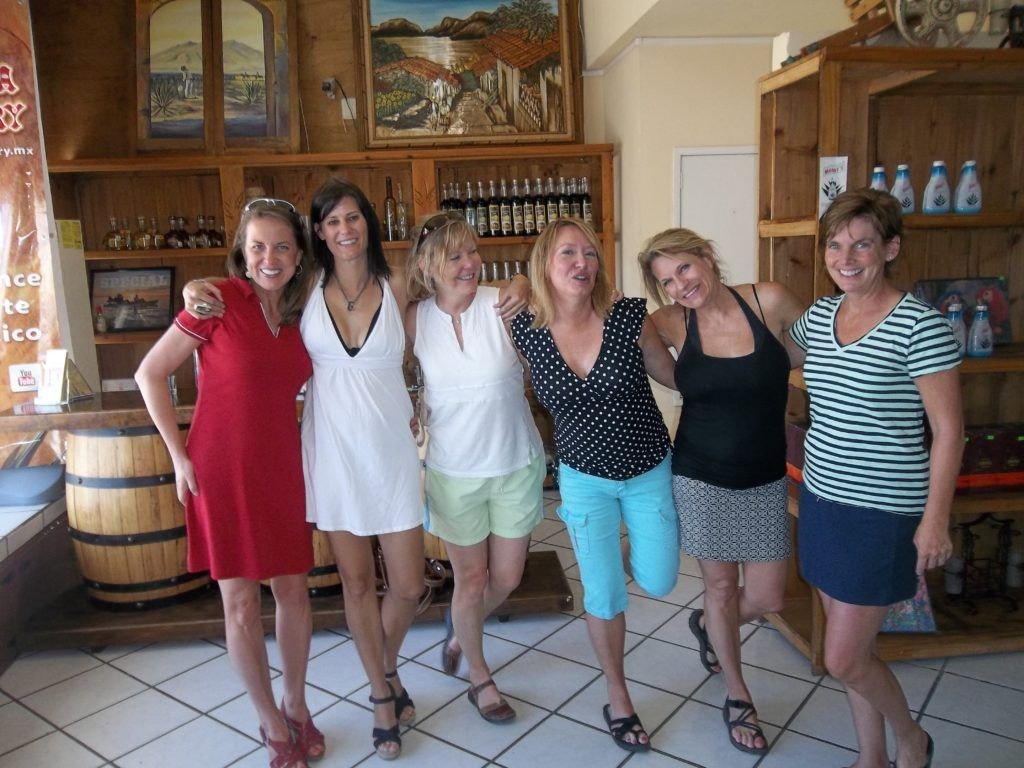
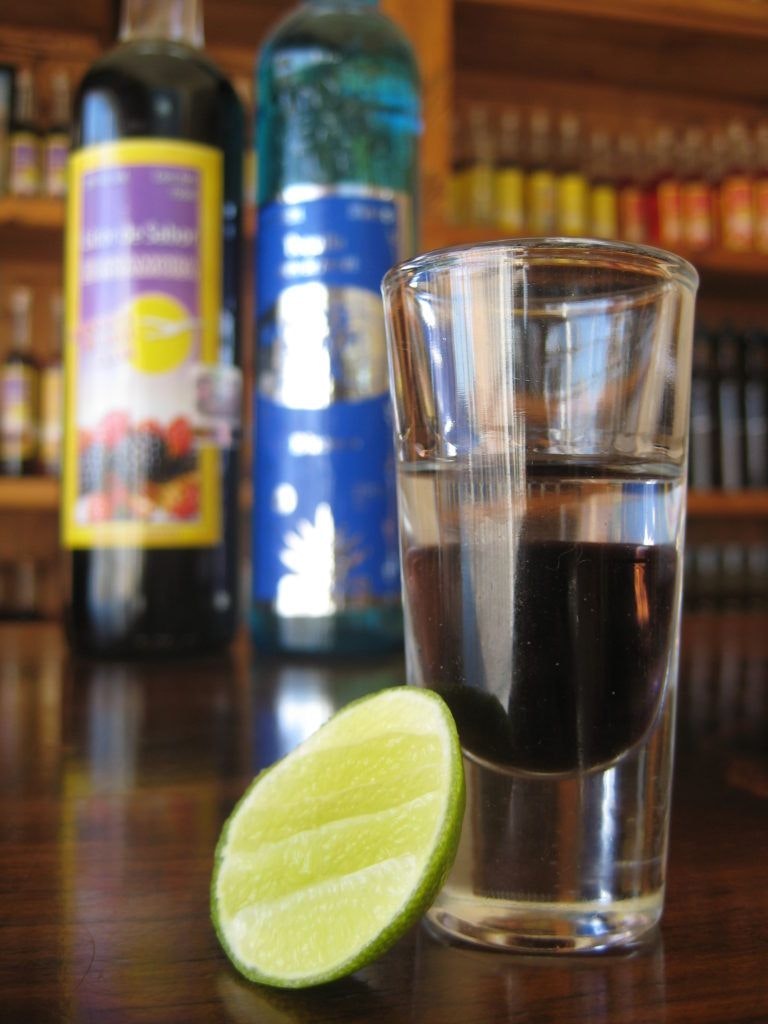
Did you know that the word tequila translates to "place of work" or labor? Experience the taste of Mexico at the Tequila Factory in Rocky Point! The Tequila Factory is an extension of a 3 generation family-owned and operated brewery. Their tequila can be categorized as a "Tequila Artesanal" which is a very unique tequila made in small batches. Additionally, it's made with no chemicals and 100% blue agave, native to Mexico.
Fernando puts on an exciting, high-energy presentation that teaches you the best way to enjoy fine tequila. You get to taste up to 23 different samples. Additionally, Fernando will explain exactly how different types of tequila are made, why some have different tastes, level of smoothness, etc. This is a great opportunity to learn from the experts and have a blast while doing so. Mark also interviews loyal customers to find out what their favorites are! Adam, a returning visitor, enjoys an Anejo and Reposado mixture. Marcos, who loves to visit the Tequila Factory on a daily basis, enjoys the Reposado which offers a delicious vanilla flavor. The Tequila Factory is one of the few companies that is able to produce Mezcal. This is because Mezcal is only made in 9 of the 32 states in Mexico. Aside from awesome (and free!) tequila samples you'll receive, you'll also be able to learn all about the tequila making process.
What Plant Is Tequila Made From?
It may come as a shock that tequila can be made only from the blue agave plant. What may be even more shocking is that agave plants take nearly 10 years to become fully mature! Though, they can be harvested around 7-8 years of age. Therefore, it takes many years to reap the benefits of growing this plant. There are 6 stages in making tequila that include harvesting, cooking, grinding, fermenting, distilling, and lastly aging.
Types of Tequila
Tequila Blanco also called White or Silver is the traditional tequila. Clear and transparent, it is bottled immediately after distillation. It has the true flavor of the blue agave and is usually strong.
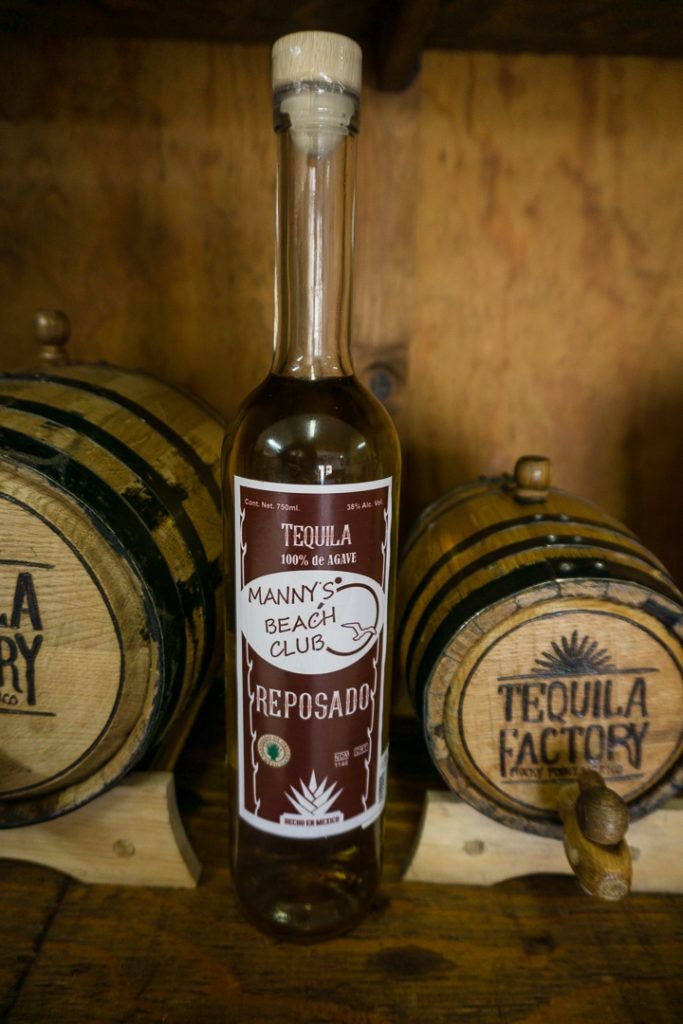
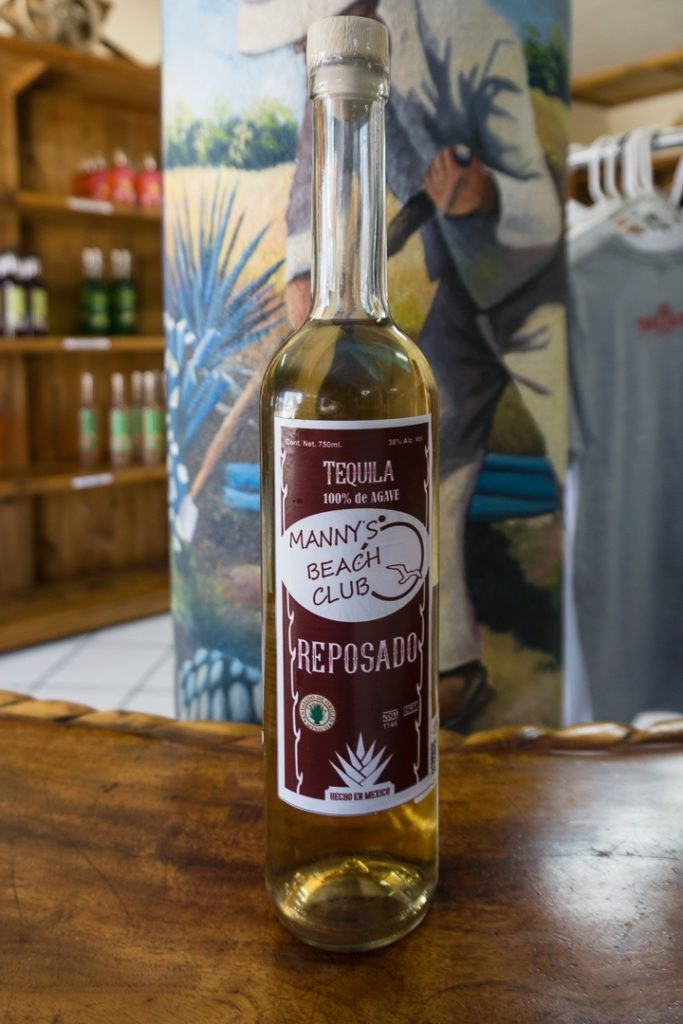
Tequila Reposado or "rested" is obtained after a period of 3 to 11 months in white oak barrels. The oak barrels give Reposado a mellow taste and its pale color.
Tequila Anejo or "aged" is obtained after a period of 11 months to 4 years in white oak barrels. After 4 or more years it's called Anejo, Antiguo, or Reserva. The amber color and woody flavor are picked up from the oak. The result is a true delight for connoisseurs.
Triple Distilled Tequila is more refined with a much smother boque, for those who are new to Tequila tasting.
Tequila Mixto also called Oro or Gold Is a white tequila mellowed by the addition of colorants and flavorings. If the label does not say "100% agave", it is a mixto tequila. In its fermentation process at least 51% of its sugars that will be turned into alcohol come from the agave plant and 49% of cane or other sugars.
Six Steps to Making Tequila
- Harvesting
When the agave plant is approximately 3 to 5 years of age, it is the appropriate time for "el barreo", which is trimming the spiked leaves (also known as pencas), so that the agave plant or center expands. This work is done only by experts, because the tips of the agave leaves are very sharp, being used in the past for arrow points.
The harvest is done manually and involves a high risk, because of the sharp utensils used to do the trimming. There is no machinery that can replace man and his skill. An experienced "Jimador" can harvest 300 agaves in a single shift. Once the "Jima"is complete, it is transported to the factory to continue the process and produce Tequila. The center of each fully mature agave plant can weigh up to 150 lbs and produce 2.5 gallons of tequila.
- Cooking
The cooking process starts with cutting in half the agave center or pineapple, then filling the furnaces manually. The cooking in adobe ovens lasts from 48 to 72 hours, and in autoclaves lasts approximately 8 to 12 hours. Steam is used to avoid dehydrating the Agave in order to extract all the juices.
- Grinding
Once cooked the "Piña" or Pineapple is ground, but first it is cut into small pieces to extract efficiently its juices. This juice or nectar is highly rich in sugars. The grinding and tearing of the "Piñas" also produces as a residue a natural fiber called "bagazo" or "marrana". Which is used to manufacture stuffing for furniture, mattresses and car seats, among other uses. Making the agave plant 100% usable.
- Fermentation
Fermentation is done without adding chemicals and last approximately 72 hours depending on the climate. Every distillery has its own fermentation process, using a combination of traditional and modern techniques, a unique taste is born. That is way, for the connoisseur, every tequila will have a different and unique taste.
This process may take from 72 hours to 1 week. It is here where it is determined mend if the final product will be 100% agave or mixto. High quality tequila are made from fermenting only agave sugars, mixto on the other hand is made by fermenting a mix of agave and other sugars.
- Distillation
To achieve high quality tequila the "Mosto Muerto" must be distilled twice preferably in copper stills to improve flavor, because copper diffuses the heat more evenly. In the first distilling the Tequila is called "Tequila Ordinario" it is a opaque tequila with high alcohol and methanol content, not fit for human consumption. At the second distilling at last we have a transparent Tequila, crystal clear and ready to drink.
- Aging
To further improve the quality and taste of tequila, it is stored in white oak barrels.
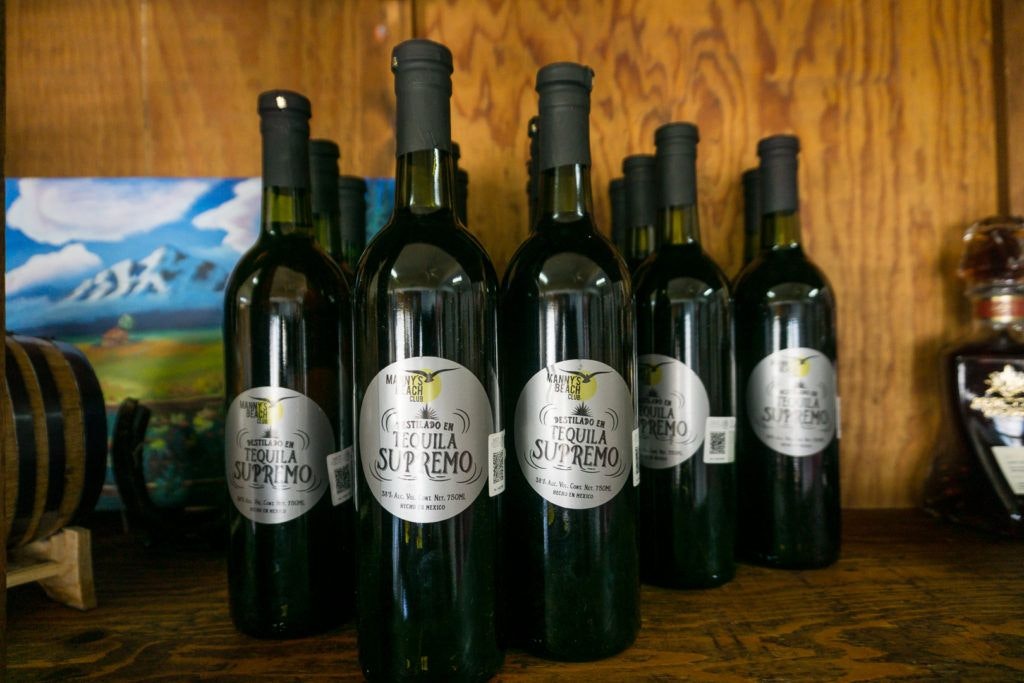
Be sure to stop by The Tequila Factory on your next Rocky Point vacation for an immersive tequila experience. You can purchase bottles of their unique and incredible tequila to take home also, which we highly recommend!
Local Tips
- Free tequila tastings are offered throughout the day. No booking necessary, walk-ins are welcome!