




About
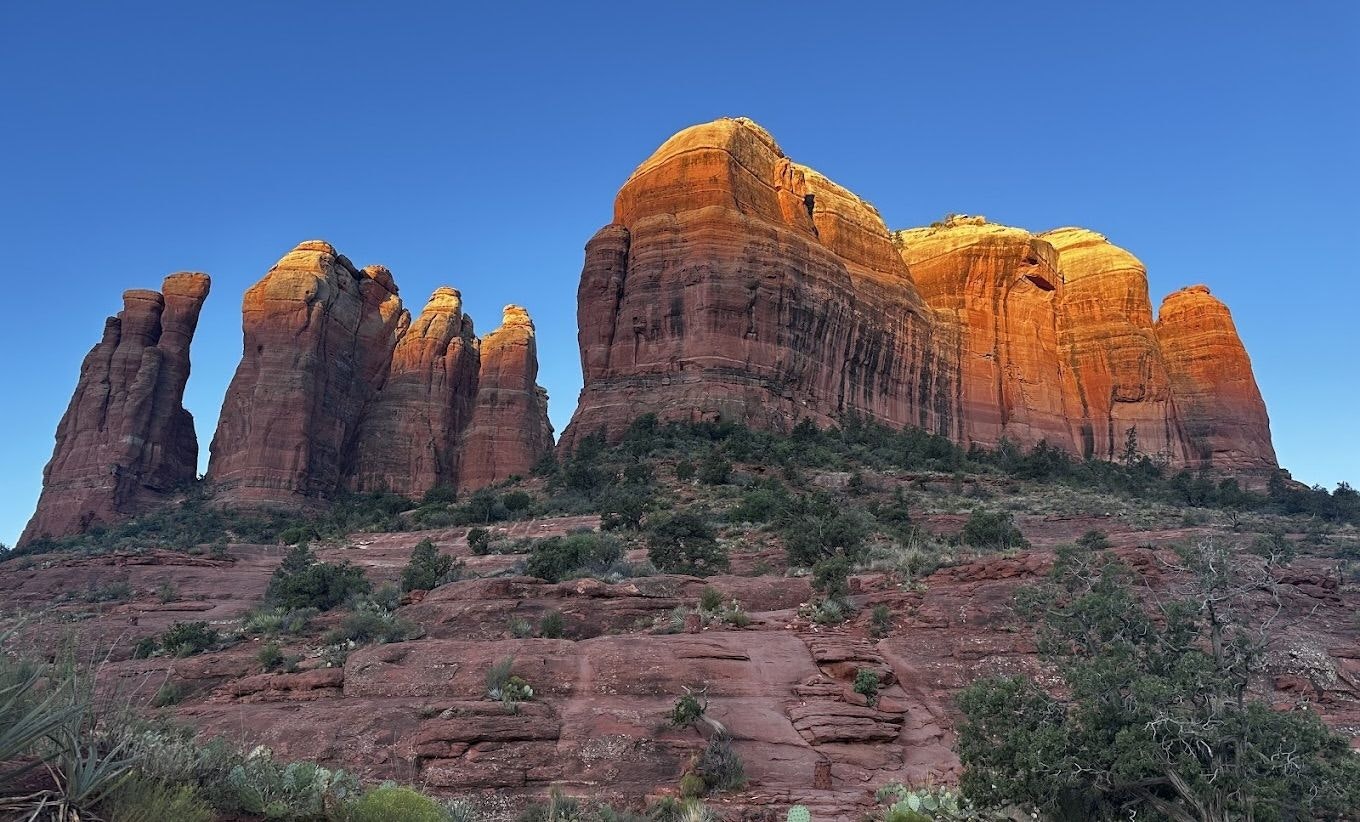
If you're looking for a photogenic backdrop, a challenging hike, or a tranquil spot to relax, visit Cathedral Rock. With its stunning red sandstone pillars and vast valleys, this stunning geological site is among the most photographed places in the Southwest.
The origins of Cathedral Rock go back nearly 300 million years to the Permian Period, when ancient seas once filled this region. Over countless ages, the water vanished, and the winds sculpted the rock into its unique shape. Iron oxide in the sandstone gives the rock its signature red color, which glows with intensity at sunrise and sunset.
This area carries deep meaning for Native American tribes. The Yavapai and Apache see the land as sacred, believing that powerful spirits inhabit the rock formations. Locals and tribal members work hard to protect and honor this heritage.
When early settlers arrived, the dramatic spires reminded them of the towers of European cathedrals, and they named it accordingly.
Geologists study the layers of Cathedral Rock, which reveal a chapter of changing climates and shifting landscapes. The base glows with the reddish-orange tones of the Schnebly Hill Formation, while the upper levels show off creamy Coconino Sandstone. These layers form a natural timeline, and erosion, driven by rain and wind, continues to shape them today.
Set within Coconino National Forest and part of the Red Rocks, the site enjoys protection for everyone to enjoy. Trails and scenic views remain open year-round.
Exploring Cathedral Rock connects you with its geologic timeline and Sedona's cultural story.
Cathedral Rock: Fun Facts & Cool Features
Energy vortexes are a major draw for people to this spot. Some believe Sedona has places where the earth gives off unique energy, and Cathedral Rock is known for making visitors feel inspired, clear-minded, or refreshed. Even if the spiritual side isn't appealing, the peaceful setting with wide-open views makes it easy to relax and let your thoughts drift.
If you're up for a challenge, put on your hiking boots and head up the Cathedral Rock Trail. While the out-and-back hike is only 1.2 miles, it climbs 669 feet, and you must "scramble" up some steep sandstone that can be very slippery. Make sure you wear proper footwear and pack your belongings so you can use your hands when scrambling. With patience and hard work, the payoff comes at the top, with sweeping views in every direction!
Photographers flock to Cathedral Rock, especially during the "Magic Hour." During this timeframe, sunlight enhances the red sandstone, making the shades of orange and deep crimson more vibrant. Afterward, as the sun drops lower, the rock's silhouette stands in stark contrast to the fading sky, creating a dramatic scene.
With so many nearby Sedona attractions, it slips easily into any trip plans. Visit the Chapel of the Holy Cross, constructed in 1956 into the red sandstone buttes, or combine a hike with an adventure with Red Rock Western Jeep Tours.
Another top draw is Oak Creek, which is part of Oak Creek Canyon. At this point in the creek's journey, guests see Cathedral Rock reflected in the water. Green leaves, red stone, and blue water all come together for one of Arizona's most colorful views. In fact, this iconic photo op appealed to Hollywood producers, who used it in many classic Westerns, like 1950's Broken Arrow starring Jimmy Stewart.
What makes visiting this landmark unique is that it works for everyone. Whether you're out for an easy stroll with the family, seeking a challenging climb, or there to snap pictures, Cathedral Rock offers views you'll never forget.
Local Tips
- Parking at the trailhead is limited; consider using the Sedona Shuttle.
- The shuttle is free and runs Thursday through Sunday.
- Sandstone can be slippery; wear hiking boots or shoes.
- Carry plenty of water even if you're not hiking.
- Hike at dawn with a headlamp to avoid the heat and to reach the summit at sunrise.